

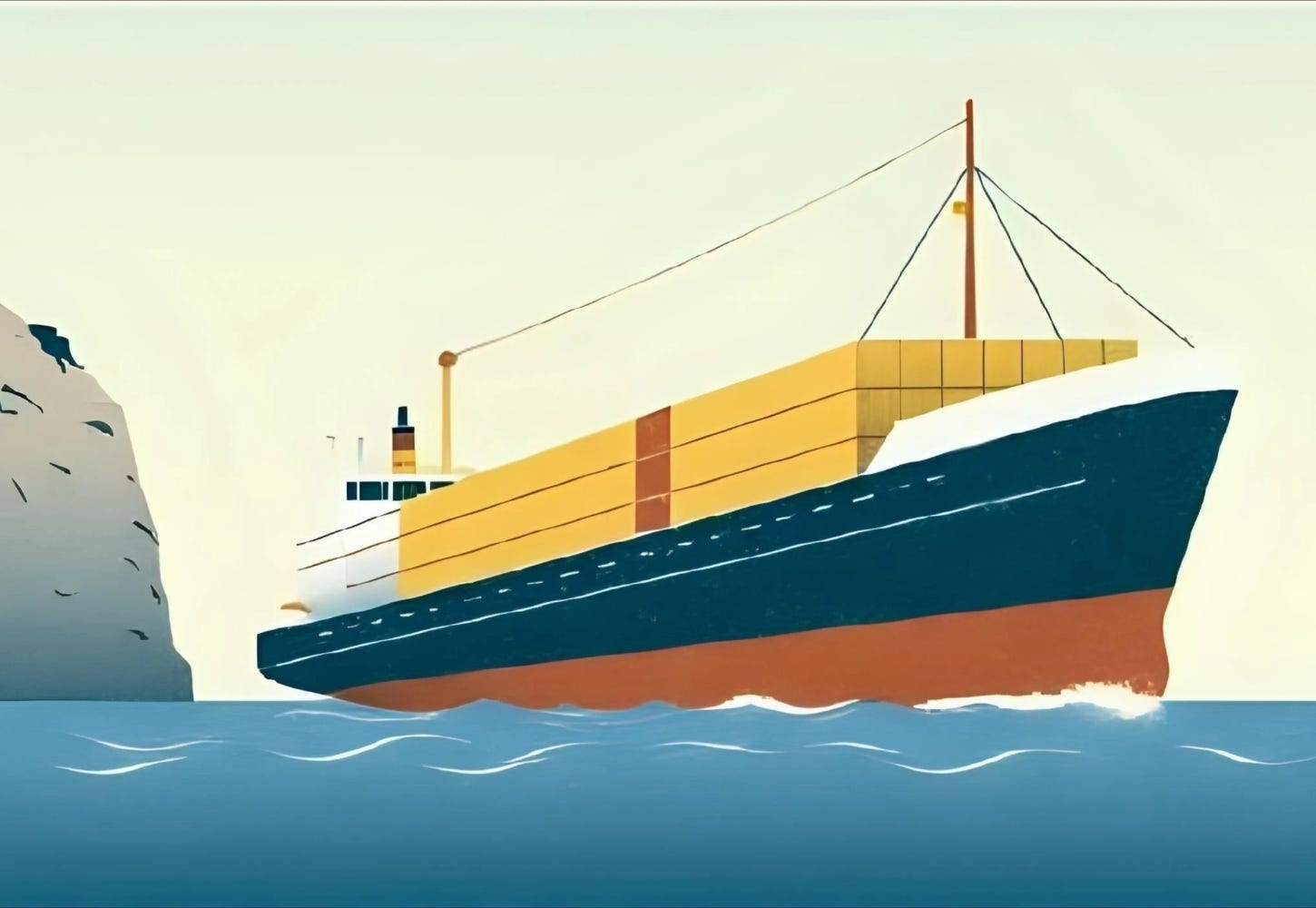
International merchant shipping is the backbone of the global economy. It enables over 80% of the world’s trade to move quickly and easily across oceans and seas, linking businesses, securing energy supplies and driving economic progress. Yet, its impact goes beyond commerce; shipping is both a catalyst for global trade and a central node in the global transition towards sustainability.
Gibraltar’s strategic location, progressive bunkering services and supporting maritime academic training therefore exemplifies a successful model for sustainable and competitive maritime hubs.
In the 21st century, the maritime sector faces pressing challenges, including climate change, digital transformation, evolving regulatory frameworks and the need for a highly skilled workforce. These challenges converge sharply in strategic maritime hubs such as Gibraltar, which has long been recognised as a gateway to the Mediterranean and an essential bunkering and logistics centre for merchant shipping. Maritime bunkering is the process of supplying fuel – for example, oil, Liquified Natural Gas (LNG) or alternative fuels – to ships for their propulsion and onboard energy needs.
This is significant, because while the maritime sector fosters global prosperity, it also contributes to environmental and ecological issues, including generating approximately 3% of global greenhouse gas emissions. As a result, ports and maritime training institutes face mounting pressure to innovate, propelled by the International Maritime Organisation’s (IMO) ambitious decarbonisation objectives and its promise to attain Net Zero emissions by 2050 for the shipping sector. Gibraltar’s strategic location, progressive bunkering services and supporting maritime academic training therefore exemplifies a successful model for sustainable and competitive maritime hubs.
Gibraltar’s strategic role in merchant shipping
Located near the southern tip of the Iberian Peninsula, Gibraltar is a vital shipping location where the Atlantic Ocean meets the Mediterranean Sea. Every year, more than 60,000 ships – almost 10% of the global merchant shipping fleet – pass through the Strait of Gibraltar, making it one of the busiest commercial routes in the world. Its location is not only important for international trade routes, but is also essential for energy logistics and bunkering operations. Gibraltar is a global hub for nautical activity, handling cargo, providing ship services and offering bunkering.
The bunkering business is a significant aspect of Gibraltar’s maritime economy. Known for its efficiency and dependability, Gibraltar’s bunkering industry has adapted to accommodate the rising demand for greener fuels. The port is actively investing in alternative fuels as international regulations, such as IMO 2020 and the upcoming Carbon Intensity Indicator (CII) and Energy Efficiency Existing Ship Index (EEXI), come into effect. Local businesses are exploring and testing hydrofuels and other low-carbon energy options. This keeps Gibraltar ahead of the curve in sustainable bunkering practices.
Sustainability and alternative fuels in merchant shipping
The maritime industry’s commitment to sustainability is no longer optional. Heavy Fuel Oil (HFO) and other traditional fuels are becoming increasingly incompatible with environmental goals. LNG, biofuels, methanol, ammonia and hydrogen are some of the alternative fuels which are becoming more popular as a way to cut down on pollution.
Gibraltar is a good place to test these changes because it is recognised globally as a location for refuelling ships. Using hydrofuels is not just a technical improvement, it is also a strategic advantage. This makes Gibraltar a leader in green shipping.
Digital twins, predictive maintenance systems and real-time data analytics all help make fuel use more efficient, reduce emissions and make it easier to follow international rules. Gibraltar is starting to investigate these new ideas through its marine services ecosystem, signalling a shift from a traditional bunkering centre to a new identity as a digitalised, sustainable maritime node.
Building skills for a sustainable maritime future
To make shipping more environmentally friendly, more than just new technology is required. People with new skills and knowledge are also needed. Seafarers and maritime professionals are dealing with a changing world which is being transformed by sustainability, decarbonisation and digitisation. Having skills in managing alternative fuels, monitoring pollutants, following environmental rules and utilising digital technology is becoming increasingly important.
The University of Gibraltar and its Maritime Academy are leading the way in preparing the next generation of maritime professionals for these challenges. They are developing essential skills in sustainability, digital transformation and maritime safety through Maritime and Coastguard Agency (MCA)-aligned specialised training programmes, academic research and strategic partnerships with businesses.
Close collaboration between Gibraltar’s education institutions and local businesses serves as a prime example of how maritime hubs can successfully integrate education, industry and policy.
By aligning its educational programmes with the evolving needs of businesses, the University ensures that Gibraltar is not only a centre for bunkering and logistics, but also a hub for a highly skilled workforce equipped to lead the maritime industry into the future. Furthermore, the rapid pace of change in the maritime sector necessitates a commitment to lifelong learning.
As new regulations and technologies emerge, professionals must continually update their skills and knowledge to remain proficient. Close collaboration between Gibraltar’s education institutions and local businesses serves as a prime example of how maritime hubs can successfully integrate education, industry and policy.
Conclusion
International merchant shipping is currently at a very important point. It is still vital for trade around the world, but has to satisfy sustainability needs quickly. Gibraltar demonstrates how an important maritime hub can address this issue by promoting the use of alternative fuels, upgrading its bunkering facilities and educating future mariners. It is evolving from a traditional bunkering hub to an environmentally friendly and smart maritime hub by utilising hydrofuels and digital tools.
Furthermore, education and training are just as vital on this journey, which the Maritime Academy and School of Maritime Science, as pillars of the University of Gibraltar, are conducting. This ensures that the international shipping industry and its workers remain sustainable for the long term by equipping maritime professionals with the necessary skills to transition to green and digital practices.
Ultimately, Gibraltar’s situation shows that sustainable change in international merchant shipping is not only about ships and fuels. It is also about people, skills and a shared vision. For merchant shipping to succeed in the future, it must integrate sustainability, digitalisation and education into its core. This approach positions Gibraltar not merely as a geographical gateway, but as a blueprint for the sustainable and digitalised future of international merchant shipping.
Dr Behbood Issa-Zadeh is Head of the Maritime School at the University of Gibraltar. He has over a decade of experience as a ship’s pilot, and led a maritime services company in pilotage, salvage and maritime operations from 2018 to 2021. He is also a member of the International Maritime Lecturers Association.
This article is published in association with the University of Gibraltar as part of the International Sea Power Conference 2025.
To stay up to date with Britain’s World, please subscribe or pledge your support!
What do you think about this Memorandum? Why not leave a comment below?